
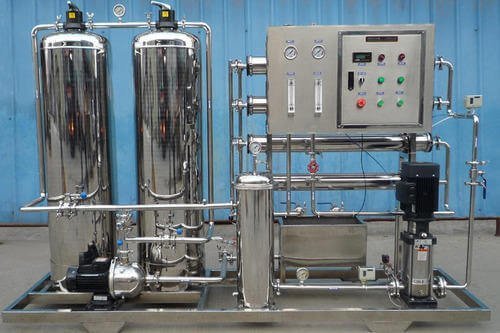
Reverse Osmosis (RO) is one of the most effective water purification technologies available today. It uses a semi-permeable membrane to remove up to 99% of dissolved salts, contaminants, and impurities from water, making it safe for drinking and industrial use.
What is Reverse Osmosis?
Reverse Osmosis is a process where pressure is applied to overcome natural osmotic pressure, forcing water molecules through a semi-permeable membrane while rejecting larger molecules like dissolved salts, bacteria, viruses, and chemicals.
The RO Filtration Process
A typical RO system consists of multiple stages: pre-filtration (sediment and carbon filters) to remove larger particles and chlorine, the RO membrane for purification, and post-filtration (often a mineral cartridge) to improve taste. The process separates pure water (permeate) from concentrated waste water (reject).
Benefits of RO Filtration
RO systems effectively remove TDS, heavy metals like lead and arsenic, fluoride, nitrates, pesticides, and microorganisms. They provide clean, great-tasting water while reducing reliance on bottled water, making them cost-effective and environmentally friendly.
Applications
RO technology is used in residential drinking water systems, commercial establishments, pharmaceutical manufacturing, food and beverage processing, and large-scale industrial applications where high-purity water is required.