
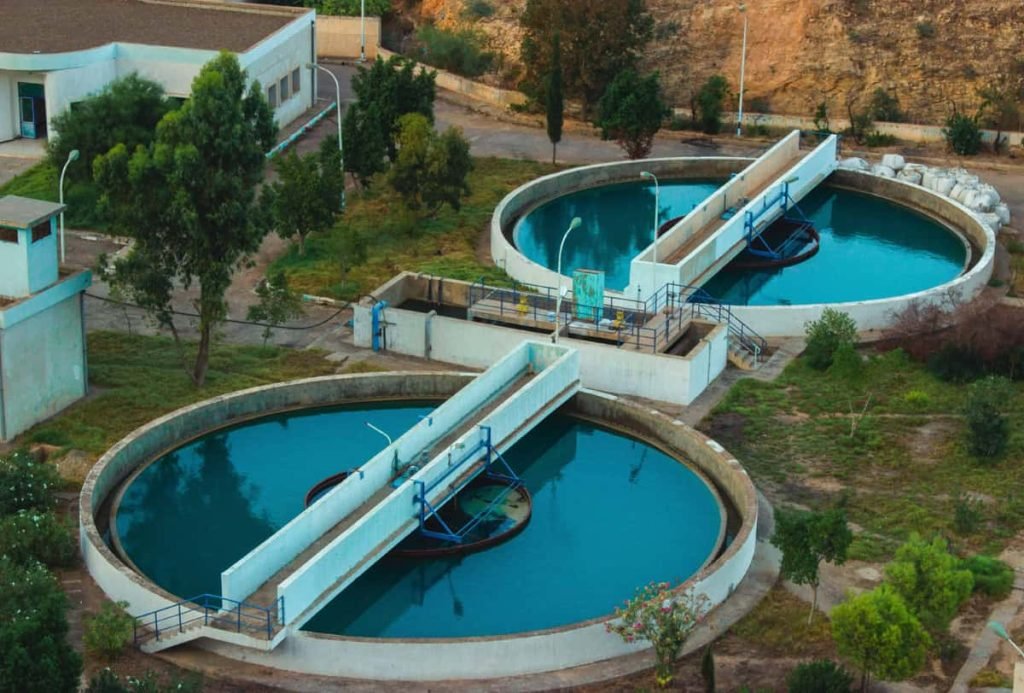
Industrial growth has led to increased water consumption and wastewater generation. Effluent Treatment Plants (ETPs) play a vital role in treating industrial wastewater before discharge or reuse, ensuring environmental protection and sustainable water management.
What is an ETP?
An Effluent Treatment Plant is a facility designed to remove toxic and non-toxic chemicals, organic matter, suspended solids, and other pollutants from industrial wastewater. The treated water can then be safely discharged into the environment or reused for various purposes.
ETP Treatment Stages
Primary treatment involves physical processes like screening, grit removal, and sedimentation to remove large particles. Secondary treatment uses biological processes to break down organic matter. Tertiary treatment employs advanced methods like filtration, reverse osmosis, or disinfection to achieve higher water quality for reuse.
Environmental Compliance
ETPs help industries comply with stringent environmental regulations set by Pollution Control Boards. Proper treatment prevents water pollution, protects aquatic ecosystems, and safeguards public health from harmful industrial effluents.
Water Reuse and Sustainability
Modern ETPs focus on water recycling and reuse, reducing freshwater consumption and promoting circular economy principles. Treated effluent can be used for gardening, cooling towers, toilet flushing, and other non-potable applications, contributing to sustainable industrial operations and water conservation.