
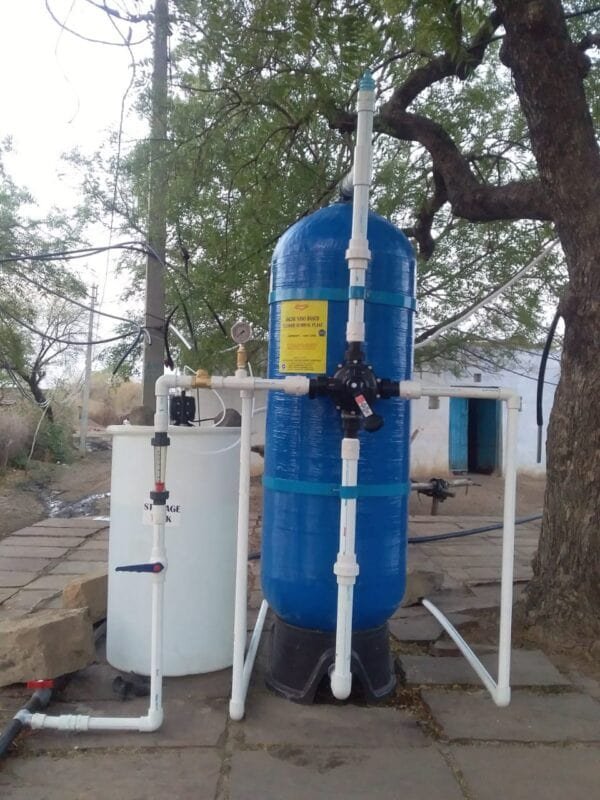
Groundwater contamination with iron and arsenic is a widespread issue affecting millions of people, particularly in South Asia. Both contaminants pose serious health and aesthetic concerns, requiring specialized treatment solutions.
Understanding Iron Contamination
Iron in groundwater typically appears as soluble ferrous iron (Fe²⁺), which is colorless. When exposed to air, it oxidizes to ferric iron (Fe³⁺), causing reddish-brown staining of clothes, fixtures, and imparting a metallic taste. Excess iron also promotes bacterial growth in pipes.
Understanding Arsenic Contamination
Arsenic is a toxic metalloid that occurs naturally in groundwater. Long-term exposure can cause skin lesions, cardiovascular disease, and cancer. Arsenic exists as arsenite (AsIII) and arsenate (AsV), with arsenite being more difficult to remove and more toxic.
Treatment Methods
Iron removal typically involves aeration followed by filtration through sand or manganese dioxide media to oxidize and remove iron particles. For arsenic, treatment methods include adsorption using activated alumina or iron-based media, coagulation-filtration, ion exchange, and membrane technologies. Often, combined systems are used for water containing both contaminants.
Importance of Proper Treatment
Effective removal of iron and arsenic is crucial for protecting public health and meeting drinking water standards set by WHO and BIS. Properly designed treatment systems ensure safe, clean water for communities while preventing long-term health hazards.